Thriller planning: Props
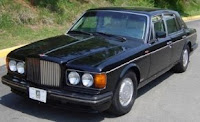
The car: preferably black, dark blue or any shade of colour that doesn’t draw attention to itself. As it is a car of an organised crime group it can’t be too flashy or too big but has to be reasonably fast, in case of any car chases from police or other gangs. Something in the way of a slightly aging luxury car (although probably with a modern and much larger engine) would be the ideal option, such as this 1990 Bentley Turbo R:
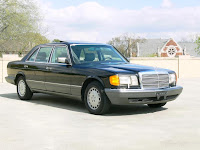
Or this 1990 Mercedes 350SDL:
In reality, however, we know that these cars would be unattainable, so more realistic targets would be just a dark coloured sedan car that is preferably quite a sought after brand, and not too modern either because the car isn't a fashion gimmick, but is probably a few years old by now. Realistic targets would be something like a 1999 Saab 93 sedan or a 1999 BMW 528i as shown below:

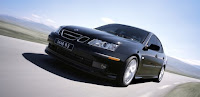
In the end we managed to secure the use of a very dark blue Saab 93 sedan, as a group member's father owns one. We are very pleased with this as it was one of our original 'realistic targets'.
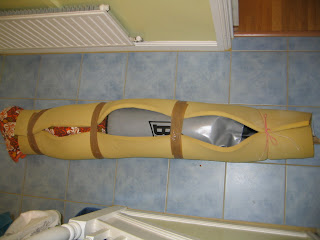
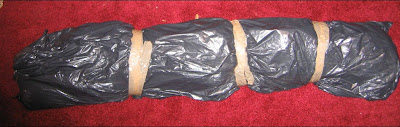
The dead body: This could be many things: pillows/ rolled-up duvet/ sand/ punch bag. Probably the punch bag would be the best option, as it is heavy enough to make a sound and for the actors to have some difficulty carrying it. Also, it is easily attainable, as a group member has one in his garage.
In the end, we decided on using the punch bag, filled out with various pillows/ duvet and then wrapped in black bin-liners and sealed with brown tape:
 Cigarettes and Zippo lighters:
 you can’t have criminals that don’t smoke. Zippo lighters would be used to give the characters in the opening a more sophisticated look and impression of higher status (working for one of the biggest gangs).
Unfortunately however, we were not able to get hold of a zippo lighter, so we will use a regular lighter instead. This is a shame but the difference probably won't be huge to the viewer as it will be dark and the hand of the smoking person would cover up most of the lighter anyway.
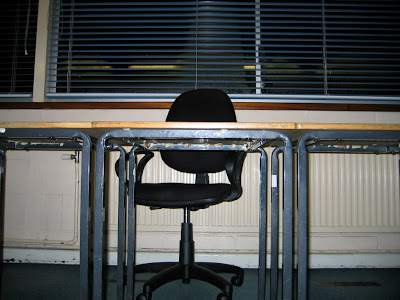
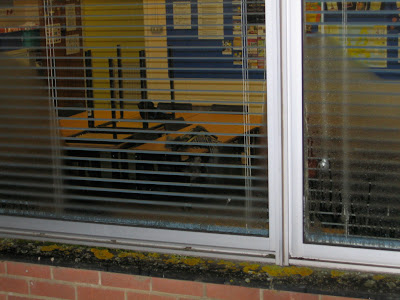
The desk: Ideally this could be a mahogany desk that’s quite wide, something that’s grand and sophisticated in order to reflect the characteristics of the crime-lord behind it. It may also be quite old-fashioned rather than modern as the boss is fairly old, so maybe a darker rather than lighter shade of brown.
However, we will have to take what we are given, especially as we are filming in a classroom. But, it will be very dark so the desk itself and its colour and size would barely be visible (if at all).
The big chair: Again, it would ideally be something grand, and possibly out of leather.
But, again, we will use what is in the classroom already as we do not have such a huge choice, and due to the darkness in the room the chair itself won't be hugely visible either.
Costumes: The gangsters in the car would be wearing dark clothes and a large dark coat, as they are the 'muscle' guys doing the dirty work, so they would hardly be wearing flashy white suits.
The boss, on the other hand, would be wearing a dark suit with a shirt and tie. Although not white either, the suit would be quite smart and very very expensive.
Although all of our 'ideals' for the props sound very grand, expensive and glamourous (which also makes them unavailable to us), they would not be presented in a glamourous way (should they have been available), as our opening will be dark, shadowy and rather unglamourous. They would have been used, though, to show that the business of the characters does pay and they have success in it, but then they also end up dead as a result, and although they have money they certainly meet unglamourous engings.








 2.
2.

 2.
2.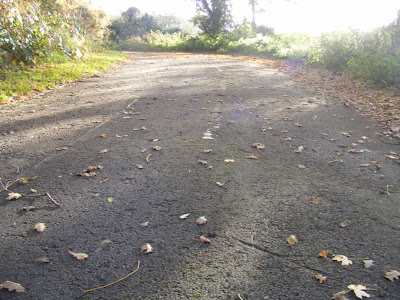 3.
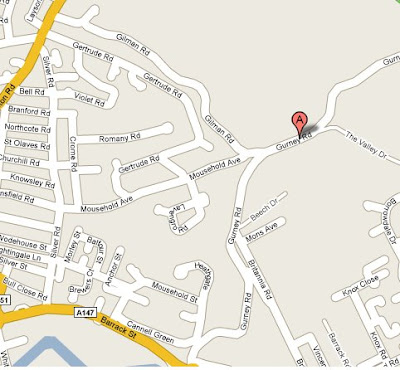
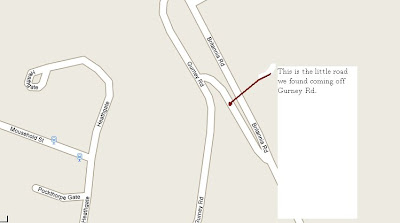
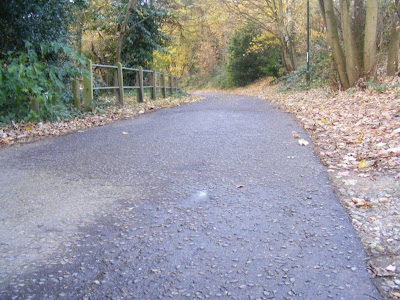
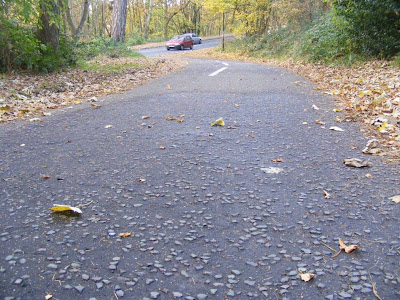
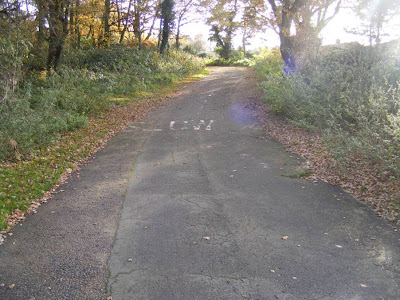
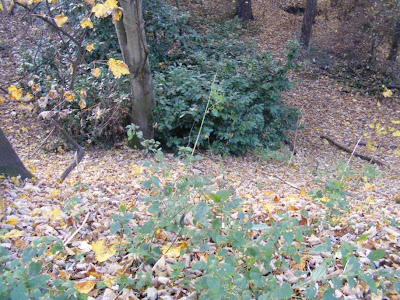
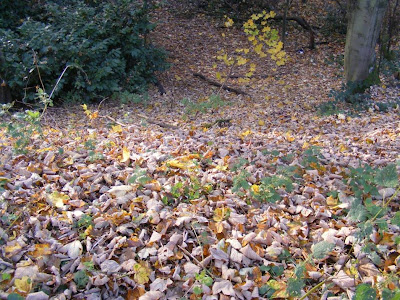
3.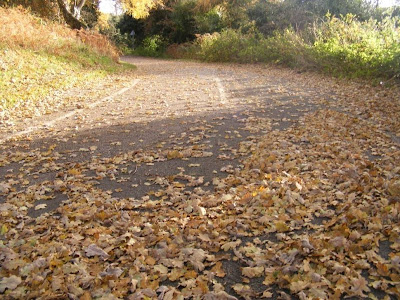 In some ways this Gilman Rd would be better than the other small road above. For example, it is much longer and more meandering. Also, the problem of traffic would be completely eliminated as cars are not allowed on here, as it is a footpath and cyclepath. However, there are no streetlights, which is a large disadvantage when compared to the other road. Also, as we couldn't get a car on it, there is no alternative lighting option.
 3.
3.
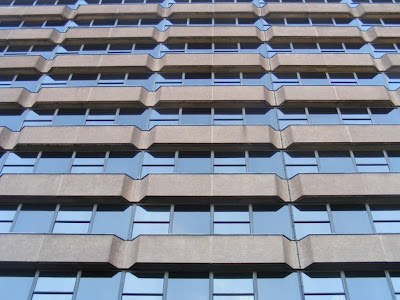
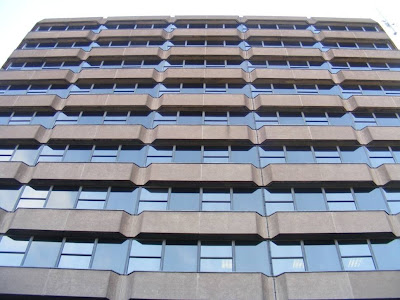 I am really pleased with this image, the building looks great and the low angle that we planned to film it with makes it appear all the more domineering and threatening.
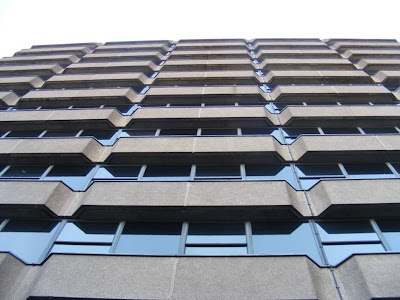
  I also like this picture, although the low angle effect is perhaps not so successful as in the previous image.
 This image is maybe the best of the three, as I think that the low angle shot is achieved with great success here.
 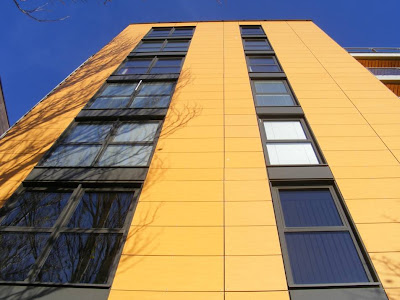 I am quite pleased with this photo, as the low angle shot works well. On the other hand, the windows aren't quite we were looking for as they are a bit too small and reveal the fact that this is a flat where normal people live.
 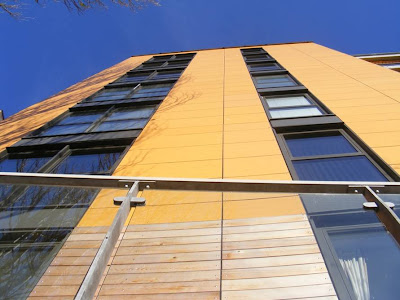 I think that this image is much better than the previous one, due to the railing that cuts across the foreground of the picture diagonally. I think that this really makes the building appear much more sinister, especially when it will be in the dark, when we are filming.
  I think that this photo is better yet, as the side angle hides the small windows that were initially a concern, and the railing is skewed even more. Again, the railing works to great effect.
 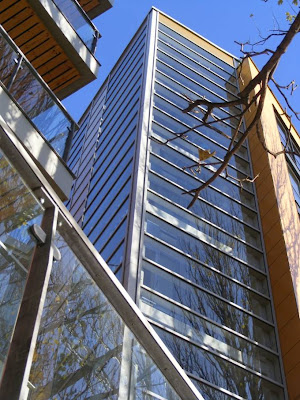 This one is better yet, as the further use of the side angle reveals more if the glass corner which looksreally good. Also, the railing is at even more of an angle which adds extra effect.
 I quite like the angle of this photo but on the other hand I don't think that it is the right building for the sequence, as these balconies do seem too private and homey.
 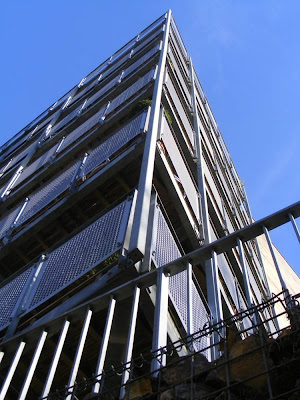 I really like the angles in this image, the skewed low angle effect works really well, especially with the metal railing.
  I think that the symmetry in this image looks quite good, however again the buildings look slightly too private and therefore unrealistic.